
Intellectual Property: WAINER/J2 Ricinus – Protected High-Performance Varieties
Patented, drought-resistant, non-invasive tree varieties powering carbon-negative energy and rapid rainforest restoration.
Overview
Our WAINER PROTECTED PLANT VARIETIES - RICINUS TREES (CASTOR TREES) are the highest yielding, long living, drought-resistant Castor Varieties on the planet, yielding 7 to 10 times higher than the world average. They to act as a natural fertiliser and pest repellent, hence we plant together with food crops such as coffee, cacao, maize/corn, sunflower, beans, fruit trees, citrus trees, nut trees, grape vines, tomatoes, vegetables, etc., combating drought, soil erosion, and dangerious plant pathogens such as Xyella Fastidiosa and infestations such as Locusts etc.
Producing Renewable Energy, Bio-Based Consumable Products and Food, based on the proven 4 Returns Scientific Approach to Landscape Restoration, Carbon Sequestration and Biodiversity Conservation, Focusing on Rural Socioeconomic Revitalisation through a Renewable Bio-based Circular Economy, this strategy tackles the growing global issues, especially those related to energy, food security, climate change, and overall economic and social stability.
Wainer Tree & Coffee
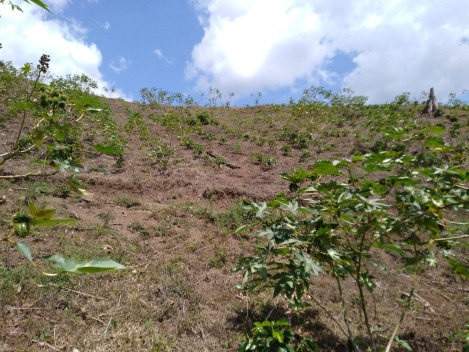
BEFORE
Wainer Tree Month 3 - starts producing, allowing for the introduction of coffee trees.
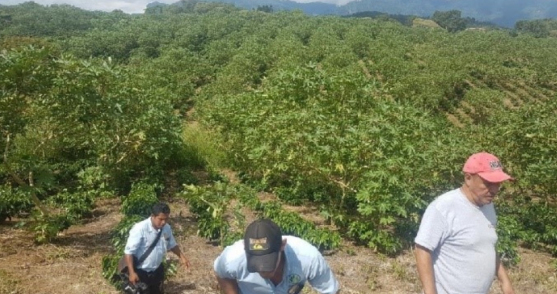
AFTER
Wainer Tree Month 18 - coffee trees over 1 year old and already producing.
(The quickest land restoration transformation ever)
PICKING WAINER/J2 RICINUS/CASTOR TREES.
(Rains have returned)
Producing Renewable Energy & Food on once destroyed land.
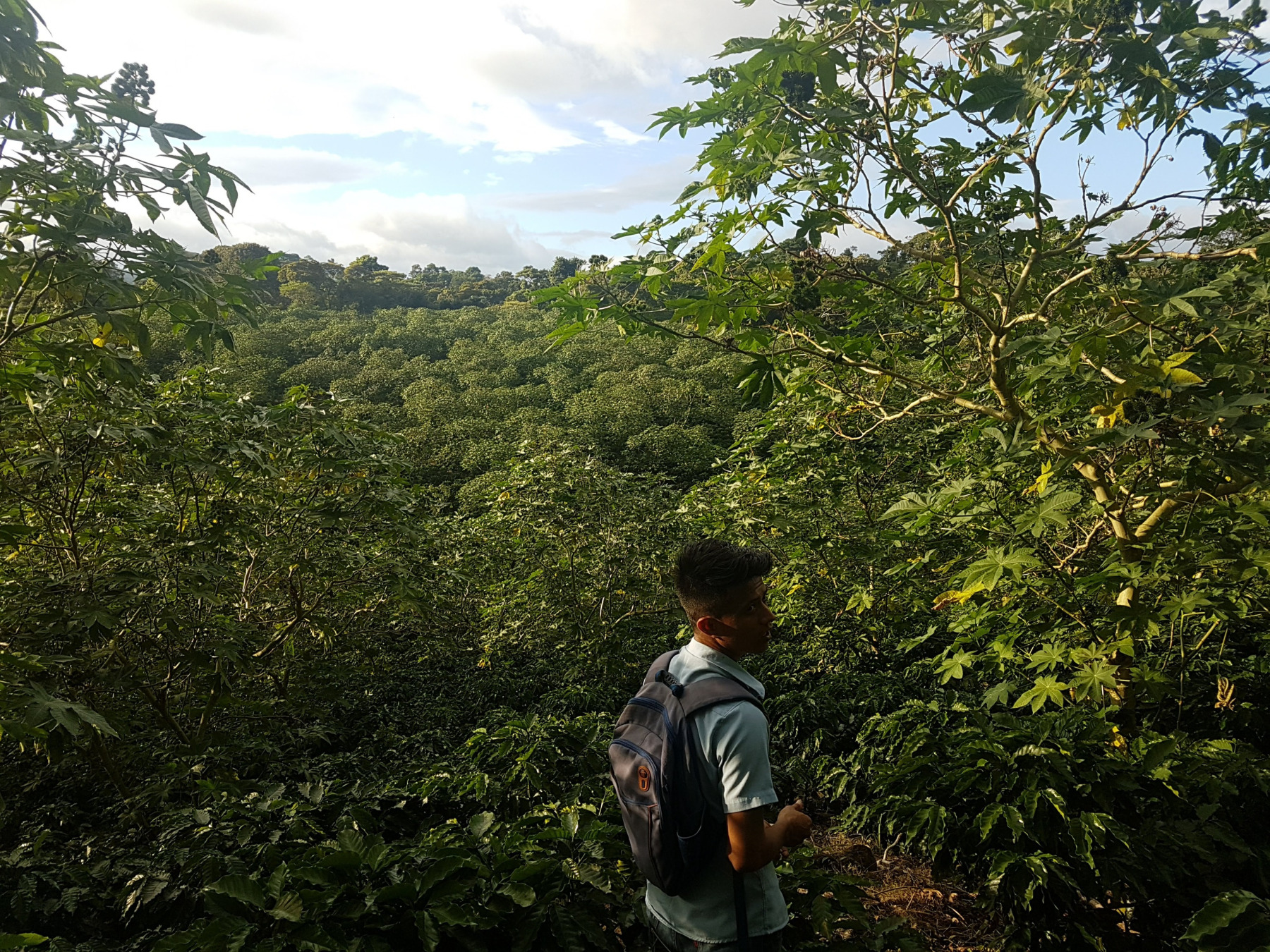
Our Wainer Trees restore degraded terrain in 6 months and mature in under 18 months, providing full shade, nutrients and a new bio-based economy not only for the local people, but this new economy fuels the future of Industry, AI & Robotics.
Comparison
The Core Technology WAINER/J2 Ricinus The Highest-Performing Biomass Ever Commercialised
Patented WAINER/J2 Ricinus (non-invasive, non-GMO, Patent #0014-2015-DGPI-
Attribute | WAINER/J2 | Palm Biomass | Sugarcane Bagasse | Miscanthus / Switchgrass |
Dry biomass yield | 10 t/ha/yr perpetual (5-7-year rotation) | 5–7 t/ha/yr | 20–30 t/ha/yr (residue) | 12–20 t/ha/yr |
Oil content | 30 % (3 t oil/ha/yr) | 20–25 % | 0 % | 0 % |
Energy content (LHV) | 23.5 GJ/tonne | 18 GJ/tonne | 17 GJ/tonne | 17–18 GJ/tonne |
Electrical output @ 40 % efficiency | 2,600–2,800 kWh/tonne | ~1,250 kWh/tonne | ~1,190 kWh/tonne | ~1,200 kWh/tonne |
Lifecycle CO₂ impact | –2.1 t CO₂e per tonne burned (Verra VM0045) | +1 to +2 t | 0 to +0.5 t | –0.5 to +0.5 t |
Harvest method | Non-destructive, ratoon perennial | Destructive | Co-product | Annual cut |
Land-use conflict | Zero – only degraded indigenous lands | High deforestation risk | Seasonal competition | Medium |
Key Benefits
WAINER/J2 is 100–150% more energy-dense and 4× more carbon-negative than competitors. Intercropped with coffee, cacao, maize, beans on degraded lands, it yields $888/ha/year directly to families, with zero risk (seedlings, training, guaranteed buy-back provided).
What we do that separates us from other bio-energy crops and projects is that we restore and preserve terrain and biodiversity - rather than destroy it.